Unit 4 - factors that affect the EFFECTIVENESS OF managing hazards
Read this link and make notes on it
https://www.e-education.psu.edu/geog030/node/379
Here are some case studies to consider:
PLACE
Remoteness/accessibility: Nevado del Ruiz, Colombia, 1985, 2007 Solomon Islands earthquake
Hotspots: Mt Merapi, Indonesia
Eruption types: Hawaiian, Strombolian, Vulcanian, Peléan, Plinian, Surtseyan, Submarine, Subglacial, Phreatic eruptions (for these, a specific eruption case study might not be necessary), super-volcano (caldera) - Campi Flegrei
Earthquake types: blind-thrust, mega-thrust, interplate & intraplate, deep-focus quakes
shallow quakes - Haiti 2011; deep - Chile 2010, aftershocks (Nepal 2015)
PEOPLE
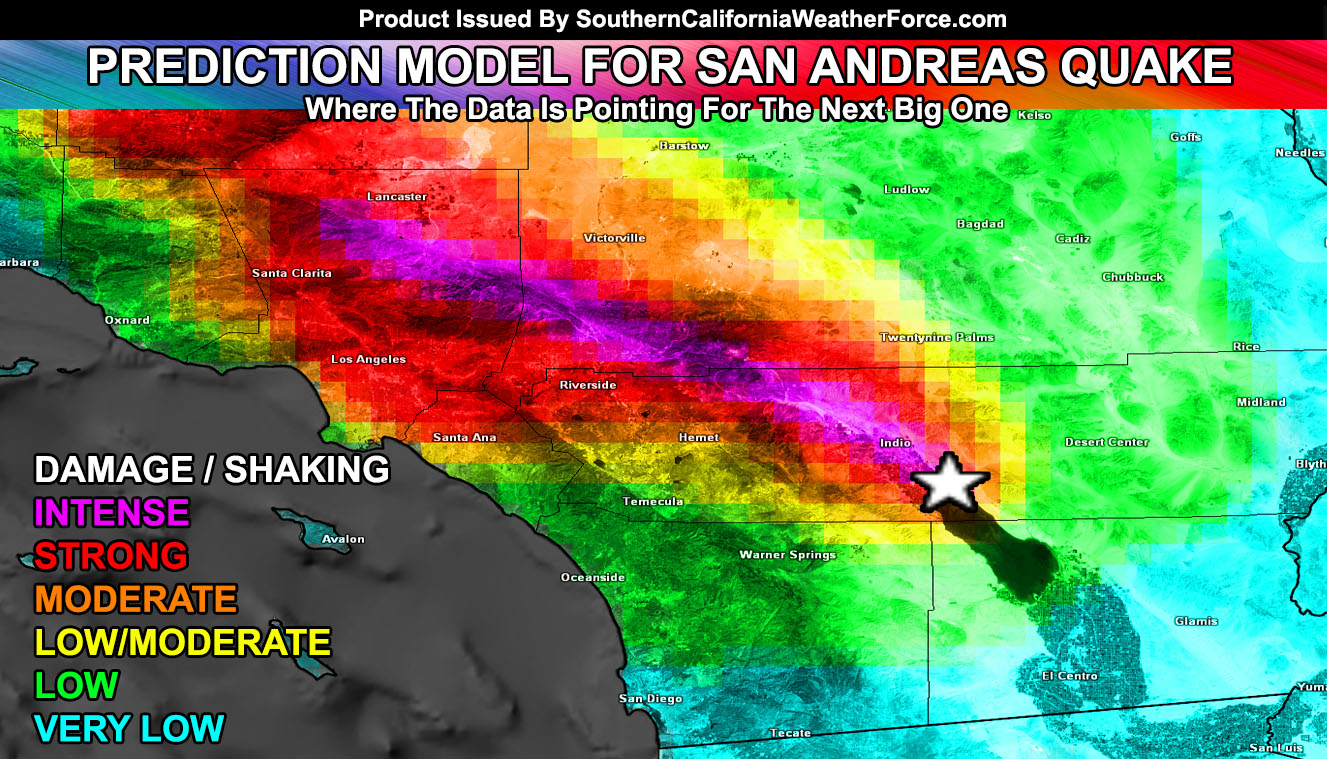
Population density & distribution: 1964 Alaskan earthquake vs 2010 Haiti earthquake, Kamchatka Peninsula, Campi Flegrei, Naples,
Coasts compared with landlocked places: Indian Ocean tsunami 2004, Nepal 2015
Demographics: Japan 2011 (ageing populations)
https://www.theatlantic.com/international/archive/2011/03/japans-earthquake-and-the-hazards-of-an-aging-population/72892/
Culture & beliefs: Indian Ocean Tsunami 2004 (Andaman islands)
http://news.bbc.co.uk/1/hi/world/south_asia/4181855.stm
Disadvantaged groups: Banda Aceh (2004)
https://en.wikipedia.org/wiki/Free_Aceh_Movement
Education: Indian Ocean Tsunami (2004)
https://www.youtube.com/watch?v=V0s2i7Cc7wA
Employment: farmers in the Phillippines, fishermen in the Indian Ocean Tsunami, tourists (2004 Tsunami
POWER - TO FOLLOW
 As a group, decide on another section A question (both 10 & 15 markers) from a paper. Repeat the process from yesterday, using the cheat sheet if necessary.